The situation of Italian theatre from the point of view of the artists is determined by their choice (or opportunity) to approach a linear high levelled training or to attempt a more independent ascent to popularity or, at least, to visibility.
It is obviously impossible to trace a coherent line that summarizes the current trends in Italian theatre. This is because Italy indeed presents a vital as well as fragmented geography from a cultural point of view. The great diversity of economil possibilities that can be experienced by an artist from one region to the other gives birth to a rather complex view made out of many diverse aesthetics, trends and even trains of thoughts about theatre-making and production models.
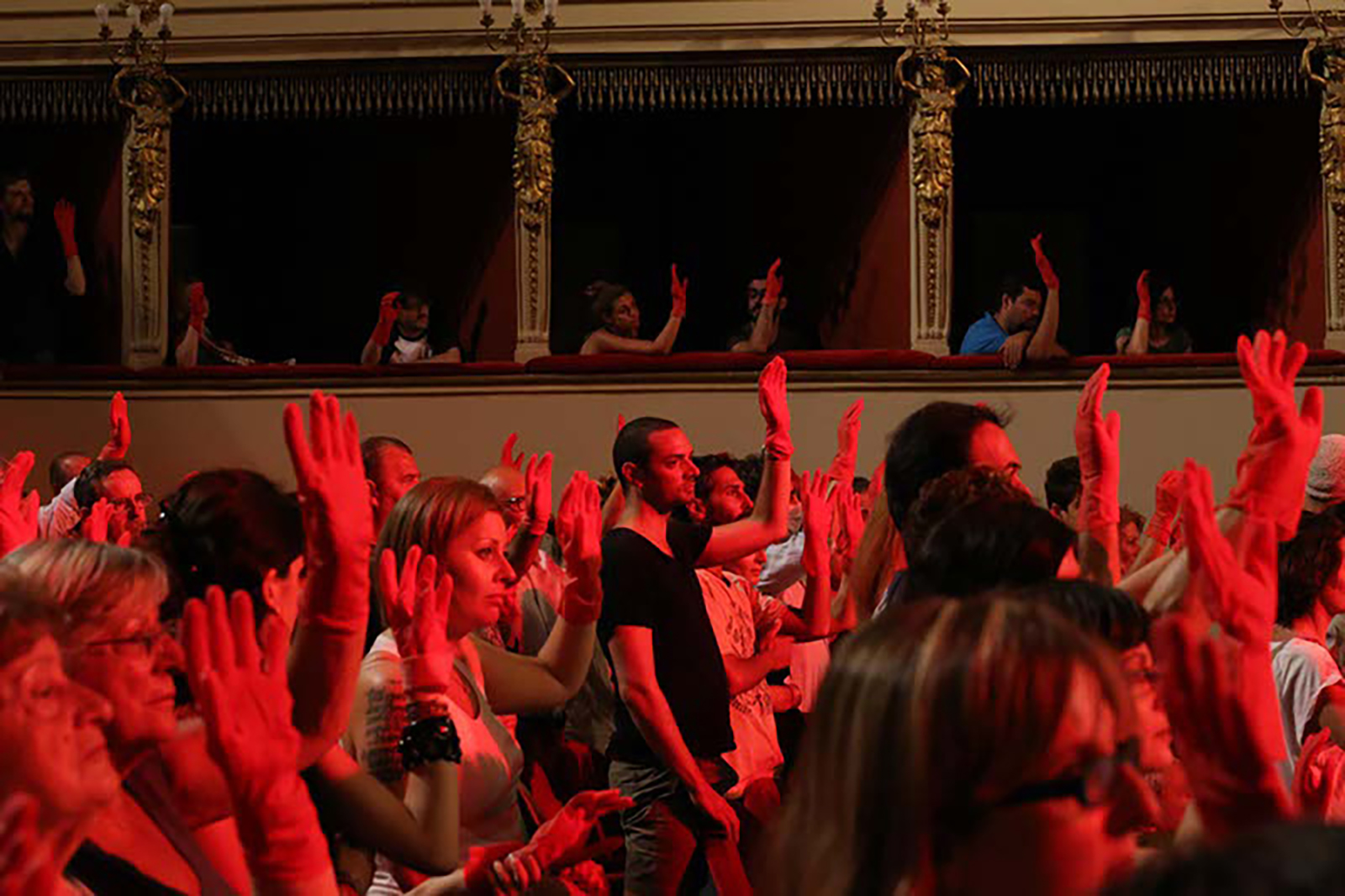
Muta Imago. From ‘Displace #1 La Rabbia Rossa’. Photo by Luigi Angelucci
To draw a short portrait of the contemporary performing arts criticism in Italy it is necessary to underline its marginality within the frame of the mainstream press and communication. As can be seen in the specific paragraphs, the traditional location for the criticism—the newspapers and the academic debate– has been deeply changing. Nowadays, it’s really difficult to make a living out of art criticism.
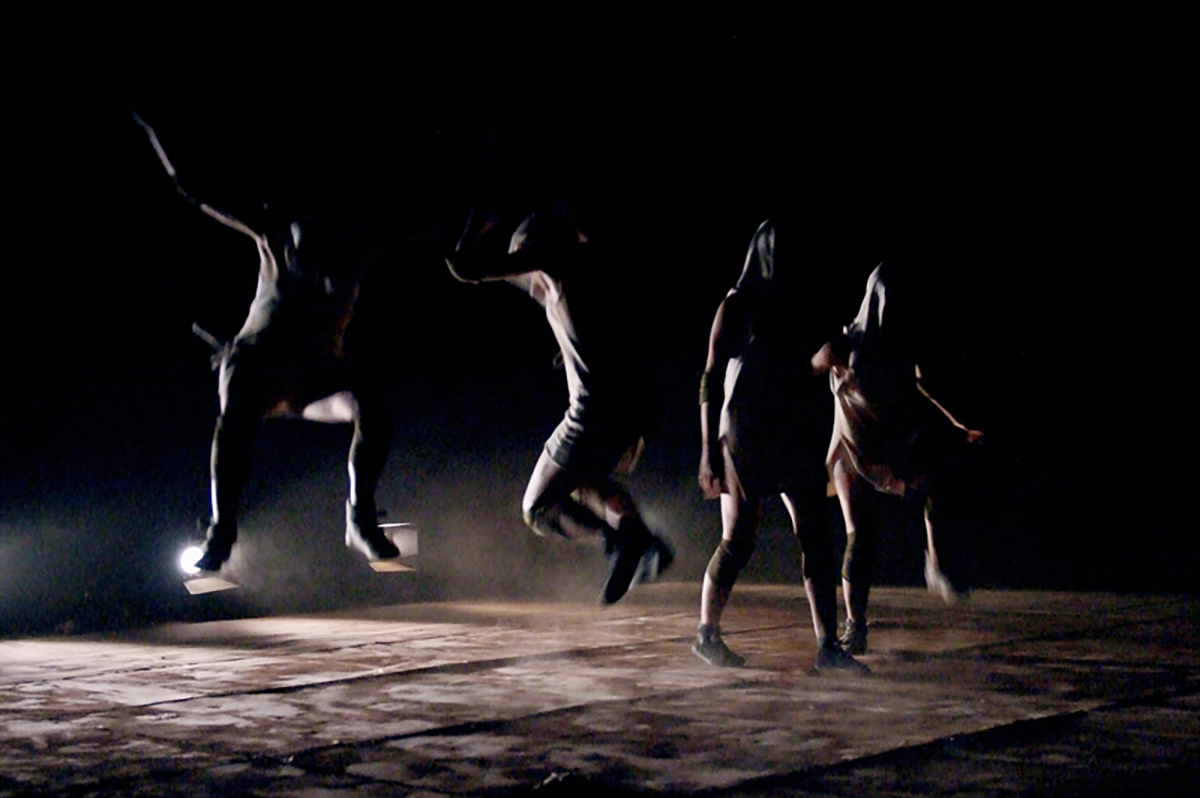
CollectivO CineticO. Photo by courtesy of Valentina Bianchi & Francesca Pennini
Compared to the European average, Italian investments in culture are fairly high. Given the great abundance of historical monuments and artistic tradition, most of the support is offered to museums and projects of conservation and the promotion of cultural heritage. The Ministry of Culture grants a special fund to fiction films and documentaries with proven cultural interest. Taking no notice of the criteria that discipline such fund – very often not clear and very gratuitous—it’s very important to notice that no such reward is granted to a work of theatre of the same quality. At least not at a national level. The only support that a theatrical project can receive on the basis of the cultural value of its content comes from local administrations, whose economical situation deeply varies from region to region. This is just one example of the degree of relevance attributed to theatre development by the national cultural policy. As things are, most of the time the fate of a theatrical project is in the local politicians’ hands.